Programs
Saints on Standby
A volunteer rapid response division that mobilizes people, gear, and practical love when disaster strikes.
We clear debris, set up shelter and meals, deliver supplies, and pray with those in crisis.
What we do
Standby teams deploy for short or extended missions as needed. Each mission is unique, but these core activities show how we serve on the ground:
Disaster relief
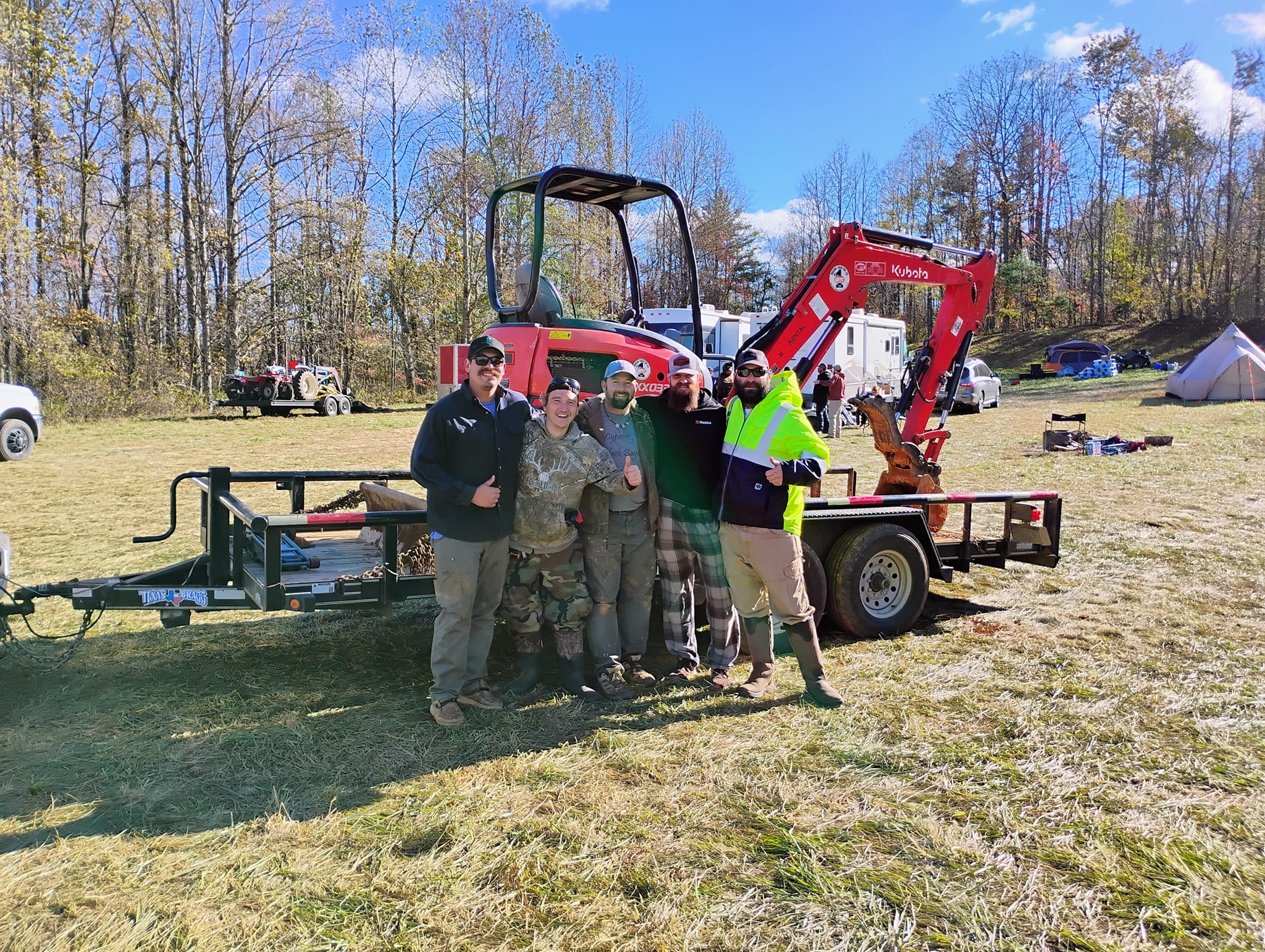
Clearing roads blocked by fallen trees, cutting away debris from homes, and hauling out what storms leave behind. We help families and first responders regain access so recovery can begin.
Logistics support
Moving fuel, hauling equipment, staging supply runs, and coordinating deliveries with local crews. We fill the gaps when resources are scattered and time is critical.
Shelter and meals
Setting up tents, mobile kitchens, and sanitation areas to keep people safe and fed. Whether it’s one hot meal or a week-long camp, we create spaces where dignity is restored.
Resource distribution
Handing out food, water, clothing, first aid kits, and essential tools directly to those in need. We make sure supplies actually reach families and not just a central drop point.
Spiritual care
Beyond the work, we stop to listen, pray, and encourage. Chaplaincy on-site reminds survivors and responders alike that they are not alone in the struggle.
Local coordination
Partnering with churches, civic leaders, and nonprofits so our help strengthens existing efforts. We aim to support the community’s plan, not replace it.
Every deployment is pre-approved by leadership and coordinated with the Authority Having Jurisdiction. Our work is hands-on, practical, and rooted in faith.
How Standby Works
When crisis hits, Standby teams move with purpose. Here’s the roadmap to how we assess, respond, and grow, so that every deployment is safe, effective, and grounded in care.
- The Call Comes In: A neighbor, pastor, or first responder reaches out. We listen, pray, and move to assess what’s really happening on the ground.
- Pray & Prepare: Leaders seek wisdom and make the go/no-go call. An incident lead and safety officer map hazards, routes, and gear so we move with courage, not chaos.
- Rally the Saints: Volunteers get the call. Chainsaws are fueled, trailers loaded, kitchens stocked. Every hand, every truck, every meal is part of the mission.
- Hit the Ground: The team rolls in. We cut trees, tarp roofs, haul debris, deliver food, pray with families, and bring hope where despair has taken root.
- Stay Connected: We keep the community, partners, and supporters in the loop. Stories are shared, needs are named, and God’s work is made visible.
- Pack Out Right: When the mission wraps, we leave things safer and cleaner than we found them. Gear is checked, shelters cleared, and nothing is left behind but love.
- Learn & Strengthen: Around the table, we debrief. We celebrate wins, face failures, share testimonies, and sharpen the edge for the next call.
Field Structure & Roles
Safety / Health Officer
Ensures every deployment site operates safely. Conducts risk assessments, monitors weather, and oversees team PPE. Trains crews in first aid and situational awareness so every mission returns home whole.
Squad Leaders by Task
Lead specialized crews in debris removal, shelter setup, meal prep, or supply drops. They report to the Incident Commander and keep the mission flowing with efficiency, compassion, and Christ-like service.
Chaplains / Spiritual Care Leads
Provide on-site prayer, counsel, and encouragement for both volunteers and survivors. They carry the heart of the ministry — reminding everyone that God’s presence is as near in disaster as in worship.
Communications Liaison & Community Outreach
Serves as the bridge between the team, local churches, and authorities. Manages updates, coordinates information, and ensures accurate reporting so help reaches where it’s most needed.
Support Volunteers
Provide vital backup in logistics, meals, rest stations, and cleanup. These are the hands that keep morale high and the mission moving, often unseen — but never unappreciated.
Key Equipment & Supplies
Deployment Trailers & Mobile Kitchens
Serve as mobile bases during field operations. Equipped with cooking gear, storage, and sanitation setups to sustain crews on long deployments.
Personal Protective Equipment (PPE)
Includes gloves, hard hats, goggles, masks, and boots. Every team member is issued proper gear before deployment for protection and readiness.
Chainsaws & Field Tools
Used for debris removal, tree cutting, and access restoration. Regularly maintained and operated by trained personnel for maximum safety.
Communication Gear
Radios, walkie-talkies, and mobile charging stations. Keeps teams connected when cell service is down, ensuring seamless coordination across the field.
First Aid & Hydration Packs
Critical for immediate response and field health. Each unit carries hydration packs, trauma kits, and first aid to handle emergencies on-site.
Support Supplies
Fuel, lighting, tarps, food, and portable shelters. The backbone of every mission — ensuring comfort, safety, and sustainability in challenging conditions.
Each Standby deployment is guided by faith, trained volunteers, safety protocols, and collaboration. We learn every time so we can respond faster, smarter, and with deeper care.
Training and Safety
Every volunteer and worker begins with our Basic Safety Course. It is non-negotiable — safety comes first. For those stepping into Incident Management or specialized roles, we require additional certifications and leadership training. At the same time, we believe learning happens best side by side in the field, so every deployment is also a classroom. We grow stronger together.
Core Skills
- Disaster response basics: debris removal, shelter setup, logistics
- Safety protocols for field operations
- Basic first aid and CPR
- Chaplaincy, encouragement, and emotional support principles
Compliance & Certification
- Basic Safety Course required for all volunteers and workers
- Additional certification required for Incident Management roles
- Background checks as needed
- Pre-deployment safety and conduct agreements
- Post-mission debriefs and reporting
- Operations coordinated with local authorities and community leaders
Need help or want to request a team?
We do not self-deploy. Every response begins with a request. Any person in an affected area, not just government officials... can reach out to us for help. We coordinate with local leaders when possible, but our priority is serving the community where the need is greatest.
Oversight and stewardship
The Board authorizes the program when needs and resources align. The CEO oversees development and operations, with a Standby Coordinator managing daily readiness, training, and logs. All spending follows our nonprofit financial policies.
Scripture: “Carry each other’s burdens, and in this way you will fulfill the law of Christ.” — Galatians 6:2